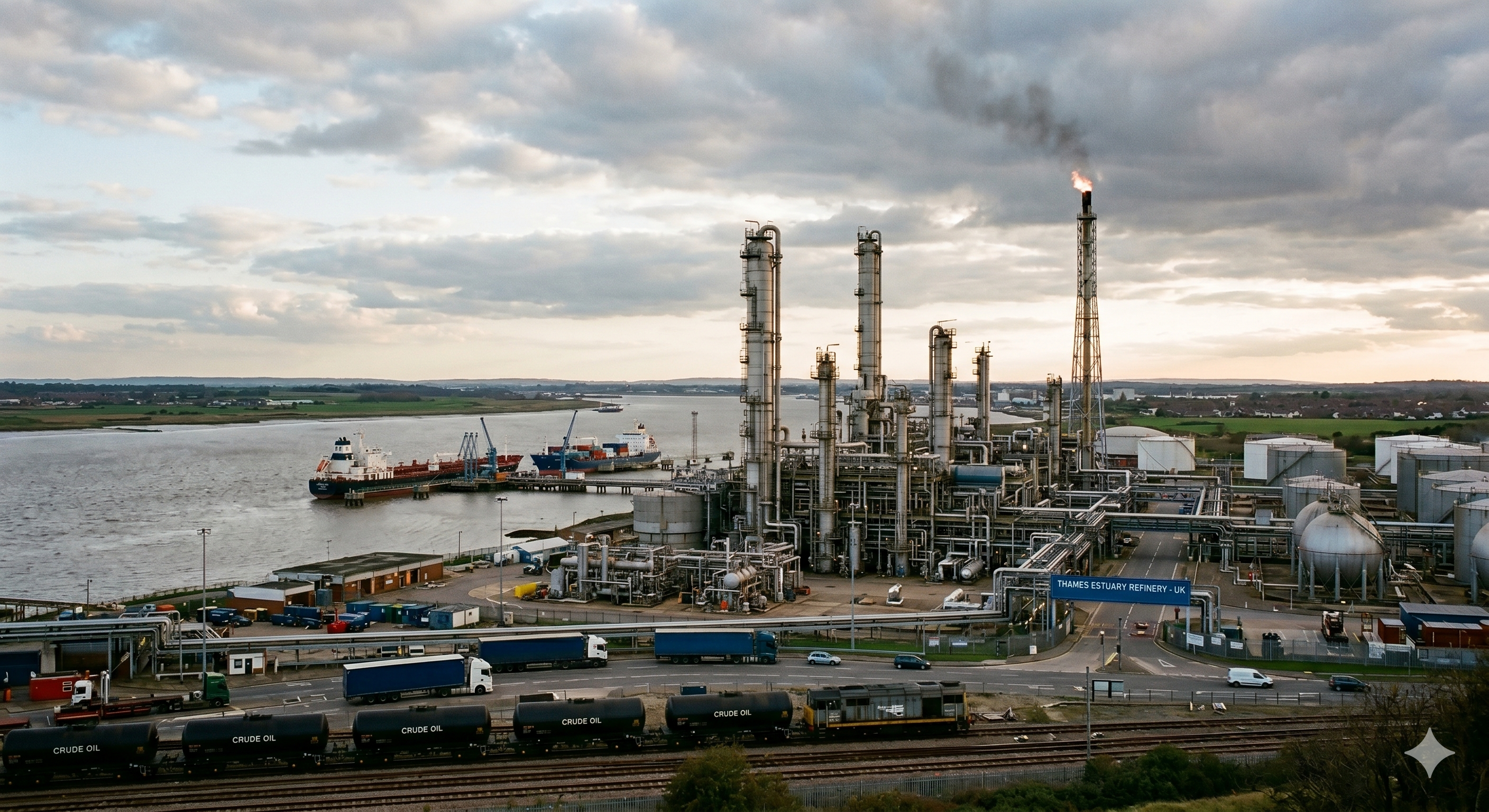
UK Energy Policy costs jobs, reduces tax revenues, undermines national security
Energy is the heart of economic wellbeing, but the UK’s energy policy achieves little that is positive.
UK electricity costs the highest in the Developed World and local energy consumption remains 75% dependent on fossil fuels, 44% of energy is imported mostly as Oil & Gas. Many components of the renewable energy supply chain are sourced from China, a rival state.
Rather than UK generated, the political preference is for imported Norwegian gas and imported US oil.
Policy has increased UK costs helping ensure the country is uncompetitive, plants are shutting and attractiveness reduced for new investment. It’s resulting in job losses.
Today’s infrastructure is needlessly fragile as imported energy comes via interconnectors and pipelines that are vulnerable to physical attack and cyber-attack. A single pipeline from Norway carries 30% of the UK’s gas. Shutting the Strait of Hormuz instantly stresses supply, increasing costs. Renewable energy supply chains are highly dependent on China. A more diverse supply would deliver more resilience.
Today’s momentum set in train with the Climate Change Act of 2008 and was reinforced by subsequent Governments including the current administration. The Act measures local emissions not embedded carbon across the whole economy. Thus, the UK’s carbon footprint is outsourced to rival economies as UK production is shut down with goods and energy being imported; but it has not materially reduced overall emissions. But the result is job losses, reduced wealth, lower tax revenue and increased dependence on international sources.
Domestic bills are higher than needed as subsidies for renewables distort the market.
It does not need to be like this
Work by Dieter Helm and Catherine Macbride diagnoses the problems and sets out potential solutions to drive enhanced energy security, boost competitiveness and support economic growth.
Simply, energy policy requires a reset. A brand-new strategy that aligns with the needs of the UK and its people. The current trajectory does not do so.
A re-set to include;
- Granting new North Sea Oil & Gas Licences. The reserves are available to extract; there are commercial businesses willing to invest.
- Being open to fracking and extracting coal where it’s economic to do so.
- Scrapping the North Sea Windfall tax.
- Resetting renewable contract processes, that subsidise intermittency of supply, as they distort the real return on investment at the expense of the end user.
World-wide 85% of energy is still produced by fossil fuels. Current policy weakens the UK economy and means there is less to invest in an evolution of energy delivery.
The UK is needlessly at a disadvantage. It does not need to be so, but it cannot afford continued incoherence.